Why ZPG Did Not Achieve Its Goal to Lower Population and Why We Can’t Grow-On Forever
American citizens who listened to the wisdom of ZPG (Zero Population Growth) back in the 1970s may be wondering if their decision to have a small family, 0-2 children, actually contributed to the lowering of US population.
Continue Reading
Uncrowded, Inc.
The stark divide between the proverbial ‘haves’ and ‘have nots’ has been a feature in America since the founding of the nation. It’s a disparity that’s often garishly reflected by material goods – the number and size of homes, cars and many other items accrued through success or inherited by bloodline – but it’s a chasm that’s more accurately assessed through a metric of access; from educational and professional opportunities to medical and legal services.
Continue Reading
Embracing the Birth Dearth Part 2: The Right Stuff
Governments worldwide have spent huge sums of money to persuade, compel, cajole, or even trick couples into producing more humans (for those same governments, of course). They’ve tried cash grants, huge tax deductions, generous maternal and paternal leave policies, flexible work arrangements, subsidized daycare, and more. They’ve also tried banning abortion, suppressing contraception use, and serving up public lectures on the virtues of “traditional” family structures. That hasn’t worked, either. None of it ever will.
Continue Reading
W.W.L.D. – What Would the Lorax Do? The Dismantling of Environmental Protections Under Trump 2.0
This paper examines the impact of the implementation of Trump 2.0 (his second term) on the environment.
Continue Reading
The Fire, The Fury & The Footprint
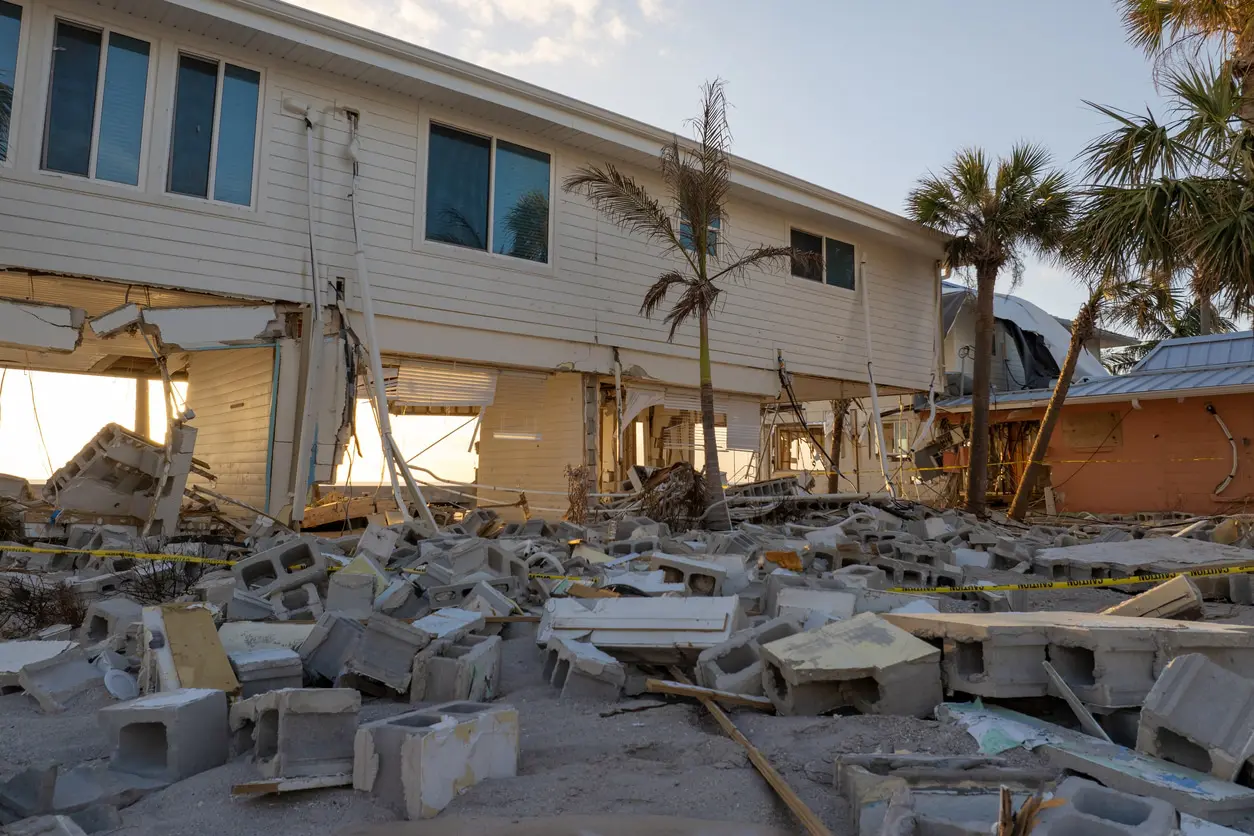
Naturally occurring events such as wild fires and hurricanes can turn into horrific calamities when they slam into cities and towns to consume human lives and wreck ever larger scales of destruction, filling the news cycles with heartbreaking accounts of loss, harrowing reports from survivors and the heroic actions of emergency crews.
Continue Reading
Measles Makes a Comeback; Why We Should All Care
In 2024 there were 285 measles cases reported in the U.S., nearly a five-fold increase from the 59 cases in 2023, according to recent data from the Centers for Disease Control and Prevention (CDC).
Continue Reading
A Proposed National Population Policy
-
NPG
-
March 25, 2025
-
Forum Papers
-
Forum Paper
-
0 Comments
NPG believes a national policy designed to slow, halt, and eventually reverse U.S. population growth is critically needed. (See the Position Papers and the FORUM series in the Publications List on our website, www.NPG.org.) In this paper, we offer a series of specific proposals for accomplishing that goal. We recognize the political resistance in the way of such policies, but we still think it is useful to set forth our recommendations in one compact document for those who may come to share our concerns.
Continue Reading
Embracing the Birth Dearth: The Futility of Pro-Natalism
The governments of 55 countries worldwide have policies in place aimed at encouraging women and couples in their societies to give birth to more babies. These administrations fear collapsing birth rates and the population declines that this trend is either already causing or will soon cause.
Continue Reading
Killing Our Land with Kindness: Why We Must Consider the Next Seven Generations By Making Better Decisions About Our Population Size
Most of the religions practiced in the US have a golden rule towards the duty to welcome the stranger, especially the downtrodden stranger. We are going to have to alter those narratives a bit so that we don’t become even more overpopulated and put additional pressure on our remaining wild spaces, national parks, and lands sacred within Indian country. We must look to other ways that we can help the stranger than admitting them entry to our already overpopulated country or assume the responsibility that we are killing our landscapes, and each other with kindness.
Continue Reading
Building in Harm’s Way: America’s Population Growth Pattern Is Making It More Vulnerable to Global Warming
The United States has been experiencing one of the fastest population growth rates in the developed world for decades. The US is also considered to be a nation acutely at risk from climate change and the impacts that it will bring,and America’s vulnerability to global warming is only getting worse. These two trends are related. Amidst all the talk of climate adaptation and directing societies to build up greater resilience to climate change, the US is moving in the opposite direction, expanding its population and accommodating infrastructure most aggressively in regions at greatest risk of future climate disasters. We’re already seeing the results of this utter lack of forward thinking; for example, note the recent string of hurricanes that devastated some of the fastest-growing areas of the Southeast.
Continue Reading