When Rivers Are at Risk, So Are We
- NPG
- May 2, 2026
- NPG Commentary
- 0 Comments
New report highlights growing threats to water, communities, and long-term sustainability
America’s rivers are under growing strain, according to a new report from American Rivers. Their 2026 list of the “Most Endangered Rivers” highlights urgent threats to water quality, public health, and long-term sustainability across the country. This report reinforces a core concern: as population growth and development pressures increase, so too does the strain on essential natural resources like clean, reliable water. What emerges is not just a conservation issue, but a mounting systems-level challenge with direct consequences for communities nationwide.
This year’s report identifies ten rivers facing significant risk, with the Potomac River ranked as the most endangered. Other rivers on the list face a range of challenges, including industrial pollution, outdated wastewater systems, dam impacts, and unsustainable water withdrawals. From the Mississippi River to the Colorado River, the report underscores how widespread and interconnected these pressures have become—affecting ecosystems, communities, and regional economies alike.
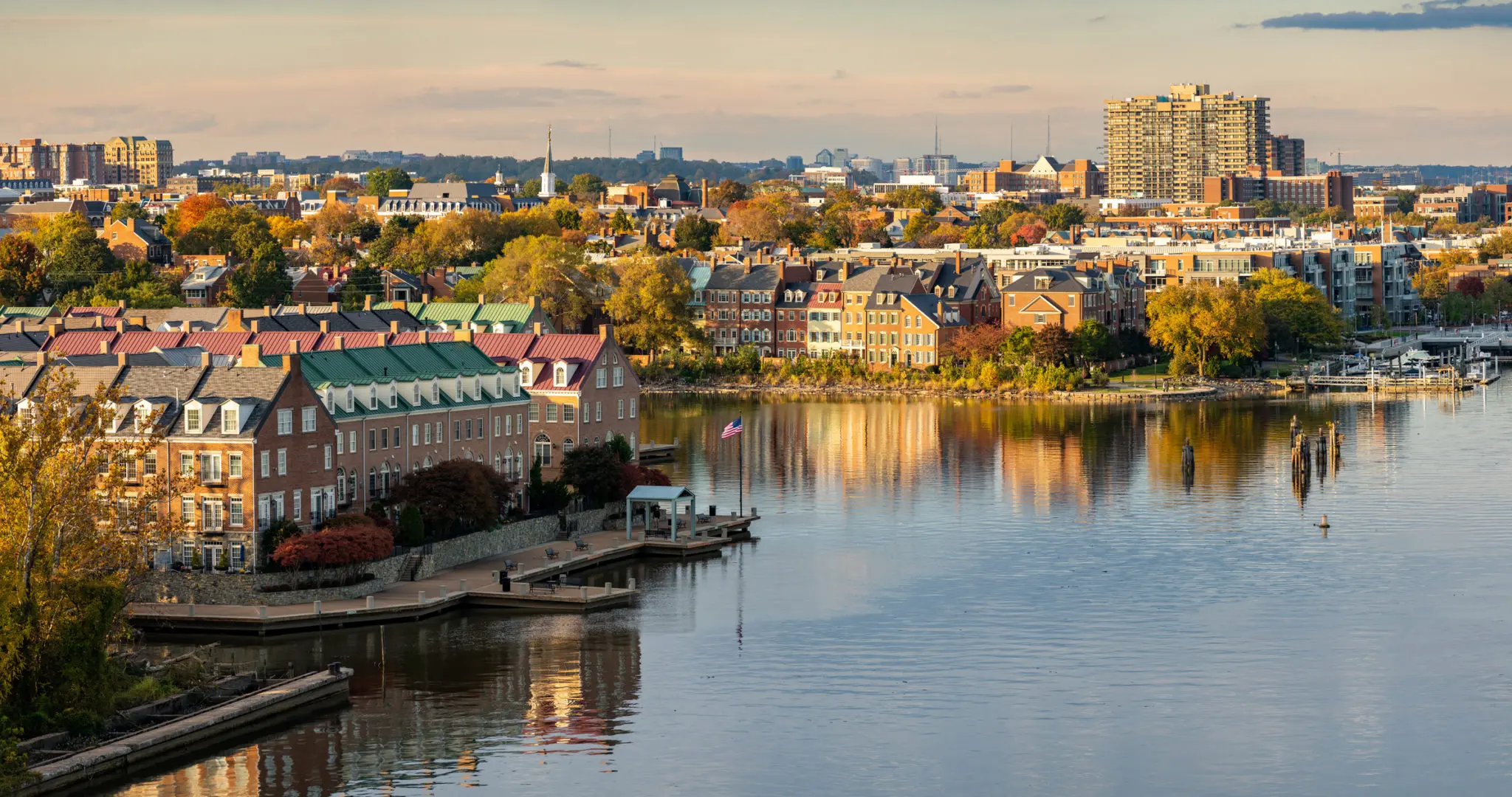
The Potomac River’s ranking is especially significant for us, as it flows alongside Alexandria, Virginia—home to NPG. According to American Rivers, the Potomac supplies drinking water to millions but faces increasing stress from pollution and the rapid expansion of data centers in Northern Virginia, which place growing demands on both water and energy resources. The report also points to aging infrastructure and runoff as ongoing concerns, raising the stakes for water quality in a region already experiencing intense development pressure. These combined factors highlight how quickly environmental strain can escalate when population growth and resource demand outpace sustainable planning.
These findings serve as a reminder that environmental challenges are not distant or abstract—they are unfolding in the places we live. Many NPG members and supporters reside in or near watersheds identified as “at risk”, making the health of these rivers a personal as well as national concern. As demand for water, energy, and land continues to rise, so does the complexity of protecting these essential systems. NPG has long emphasized that working to slow, halt, and eventually reverse population growth is a key part of reducing long-term environmental strain. Ensuring the health of America’s rivers—and safeguarding the communities that depend on them—will require not only strong policy and conservation efforts, but also a broader recognition of how population dynamics shape environmental outcomes.
To read the original article, click here.