
Preserving Ecosystems and Keystone Species Should Be a Priority
- NPG
- June 23, 2025
- NPG Commentary
- 0 Comments
Safeguarding Nature is the Surest Pathway to Safeguarding the Future
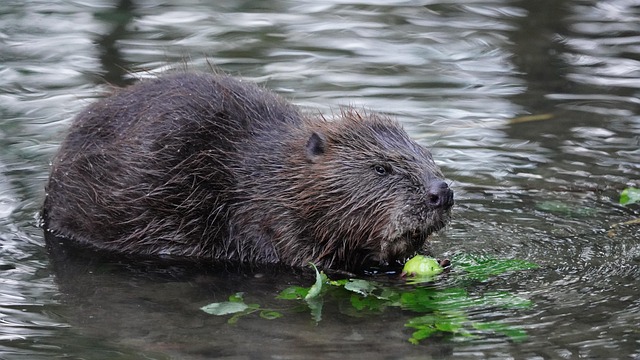
Keystone species are the linchpins of their ecosystems, holding together vital connections among species and their habitats. From the African savanna elephant shaping entire landscapes to the beaver with its life-sustaining dams, the absence of these critical species can have cascading effects on biodiversity.
Christine Conte’s article, The Vital Role of Keystone Species, highlights how species once deemed nuisances are integral to ecological balance. It reveals that past failures to recognize their importance hobbled ecosystems and stresses the need for immediate conservation action to prevent similar losses.
Beavers were on the brink of extinction in the 19th century. “The importance and benefits of beavers’ dams, which not only help regulate water flow but also reduce flooding, and improve water infiltration, contributing to a healthier ecosystem for both wildlife and humans, have since been recognized,” Conte shared. She goes on to explain the hard work behind the effort to save beavers—as a species—saying: “Due to reintroduction, conservation, growing awareness of their significance, and improved human-beaver coexistence, the beaver population has recovered, and the species is now secure from extinction.”
Dr. Karen Shragg’s Forum paper, “What Would the Lorax Do?” echoes this urgency to protect wildlife. It examines the impacts of habitat loss and policy decisions on wildlife, spotlighting how failing to prioritize biodiversity undermines nature’s delicate balance. Together, these works remind us that protecting keystone species is vital not only for ecosystems but for humanity’s future.
“The Lorax spoke up to save the Truffula trees, and now that everything from wolves to our beloved National Parks are on the chopping block, we must advocate for the very environment on which so many species depend. This includes our unsustainable and growing numbers now nearing 350 million.” – “What Would the Lorax Do?” by Dr. Karen Shragg
Your support fuels this vital work in raising awareness and promoting action. Consider donating to NPG to help us continue producing such content and advocating for our planet. Every contribution, big or small, makes a difference.
Read the full article here: The Vital Role of Keystone Species
Read Dr. Karen Shragg’s Forum paper here: What Would the Lorax Do?