
Declining Snow in Northeast Region Will Have Lasting Effects
- NPG
- November 16, 2020
- NPG Commentary
- 1 Comments
November 24, 2020
Declining Snow in Northeast Region Will Have Lasting Effects
Longer Transition Period Between Winter and Spring will Disrupt Dependent Ecosystems
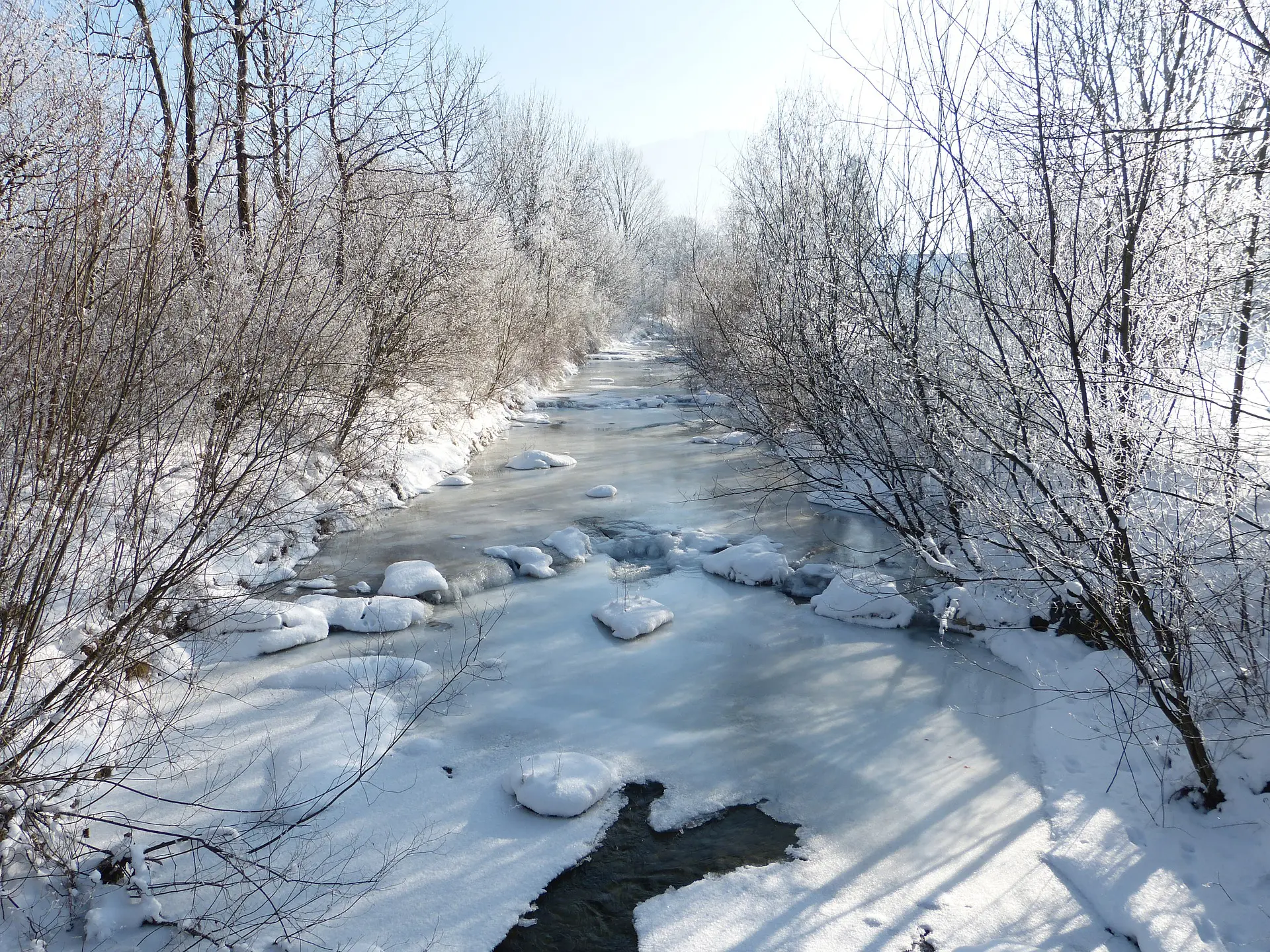
Climate change has negatively affected snowfall in the U.S. Northeast region. Through the years, the Northeast has experienced, on average, 73 percent snow coverage, leaving 27 percent of the region uncovered. Looking at the data and the projected potential outcomes, scientists agree that in the coming years, there will be less snow coverage in the region which will cause new problems for existing ecosystems, particularly lotic ecosystems, like rivers. An article published by Science Daily explains the details, saying: “Researchers at the University of New Hampshire have found that snow cover is on the decline in this area due to climate change and the shift from winter to spring known as the vernal window, is getting longer. By the end of the century, the scientists say the vernal window, sometimes referred to as mud season in the Northeast, could be two to four weeks longer which means significantly less melting snow that could be detrimental to key spring conditions in rivers and surrounding ecosystems.”
Study lead author and research scientist, Danielle Grogan, describes the decline in snow coverage, stating: “We found that climate change could alter the vernal window so much that by the year 2100, 59% of northeastern North America – which goes from Maine to Virginia – would not accumulate any snow. Historically, an average of 27% of the Northeast goes without snow but by the end of the century states like Connecticut and Pennsylvania could be snow-free.”
For years scientists have called attention to alterations of the vernal window, described by Science Daily as: “the transition time from winter to spring when there isn’t any snowpack or forest canopy.” Speaking to the importance of the vernal window, Grogan notes: “Snowmelt is a major event for rivers and forests in the northeast. It moves nutrients from the land to the rivers, boosts water levels, and triggers essential spring happenings like the migration of fish. Losing the snow and the melt would change ecosystems on many levels and remove key signals that would disrupt natural patterns like fish mating.”
Long time researcher and NPG writer, Edwin S. Rubenstein, discusses climate change in his recent Forum paper titled, Climate Change, Migration, and National Security, saying: “Food. Water. Climate comfort. From time immemorial humans have migrated from areas where these items are scarce to areas where they are abundant. Research shows that 21st century man inhabits about the same ‘climate niche’ as our stone-age counterparts…over the next 50 years the geographical area where temperatures are expected to be in this range (50-60 degrees) is projected to shift by more than it has in the past 6,000 years…with global population expected to rise to about 10 billion by 2070, this implies that as many as 3.5 billion people could migrate to cooler climates. Migration of this magnitude, even if contained within national borders, presents a threat to U.S. National Security.”
With such dire conditions, including the lengthening vernal window in the Northeast, predicted in a relatively short period, NPG believes the best necessary course of action is to work together to slow, halt, and eventually reverse population growth. We can no longer turn a blind eye to the damage being done to the planet.
To read more on population and climate change, please see two recent works published by NPG:
Climate Change, Migration and National Security, by Edwin S. Rubenstein
Human Fertility and Climate Change, by Edwin S. Rubenstein
MAKE A GENEROUS CONTRIBUTION TODAY!