
Protecting the Integrity of U.S. Citizenship
- NPG
- February 5, 2025
- NPG Commentary
- 0 Comments
Addressing the Growing Challenge of Birth Tourism
Continue Reading
Addressing the Growing Challenge of Birth Tourism

Negative Population Growth (NPG) is pleased to announce the release of a compelling new Forum paper by renowned author and environmental advocate, Dr. Karen I. Shragg. Titled “Killing Our Land with Kindness: Why We Must Consider the Next Seven Generations By Making Better Decisions About Our Population Size”, this paper highlights the critical need for addressing overpopulation in the United States and the profound consequences of population growth on both human and environmental systems.

Most of the religions practiced in the US have a golden rule towards the duty to welcome the stranger, especially the downtrodden stranger. We are going to have to alter those narratives a bit so that we don’t become even more overpopulated and put additional pressure on our remaining wild spaces, national parks, and lands sacred within Indian country. We must look to other ways that we can help the stranger than admitting them entry to our already overpopulated country or assume the responsibility that we are killing our landscapes, and each other with kindness.
Addressing Global Warming by Urging Action to Mitigate Risks in High-Danger Zones
Addressing Global Warming by Urging Action to Mitigate Risks in High-Danger Zones
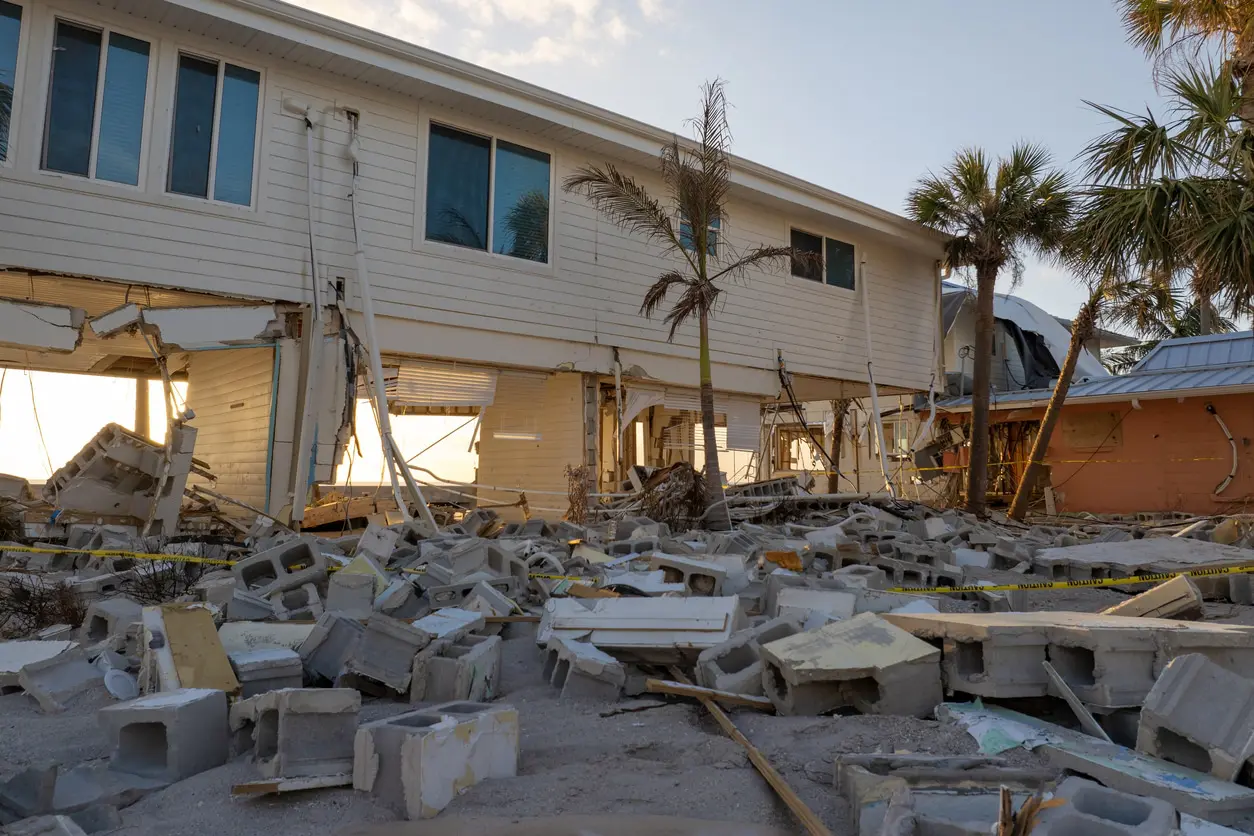
The United States has been experiencing one of the fastest population growth rates in the developed world for decades. The US is also considered to be a nation acutely at risk from climate change and the impacts that it will bring,and America’s vulnerability to global warming is only getting worse. These two trends are related. Amidst all the talk of climate adaptation and directing societies to build up greater resilience to climate change, the US is moving in the opposite direction, expanding its population and accommodating infrastructure most aggressively in regions at greatest risk of future climate disasters. We’re already seeing the results of this utter lack of forward thinking; for example, note the recent string of hurricanes that devastated some of the fastest-growing areas of the Southeast.

We are excited to announce our participation in iHeartRadio’s 2024 Charity Directory. This initiative provides us an excellent platform to share our mission and engage with a large audience in Washington, DC. By featuring our cause on prominent radio stations and online, we aim to raise awareness about the pressing issue of overpopulation and how it affects our environment. Through …

This ad appeared in the USA TODAY Veterans Affairs Special Edition 2024 on October 31st, 2024.
How Immigration Policies Worsen U.S. Healthcare Infrastructure

A few years back, my wife had something of a minor yet potentially serious health scare. We knew her issue didn’t constitute an emergency requiring an ambulance, but we needed a doctor to look at her sooner rather than later because it was the kind of health concern that could quickly worsen and lead to lifelong complications. So, I called a doctor to see if we could make an appointment to get her checked out. Yes, the doctor would be pleased to check her out, we were told – in three months.