
$75 Billion in Flood Damages Due to Climate Change
- NPG
- January 15, 2021
- NPG Commentary
- 3 Comments
January 19, 2020
$75 Billion in Flood Damage Due to Climate Change
Flooding is One of the Most Costly Natural Disasters in the U.S.
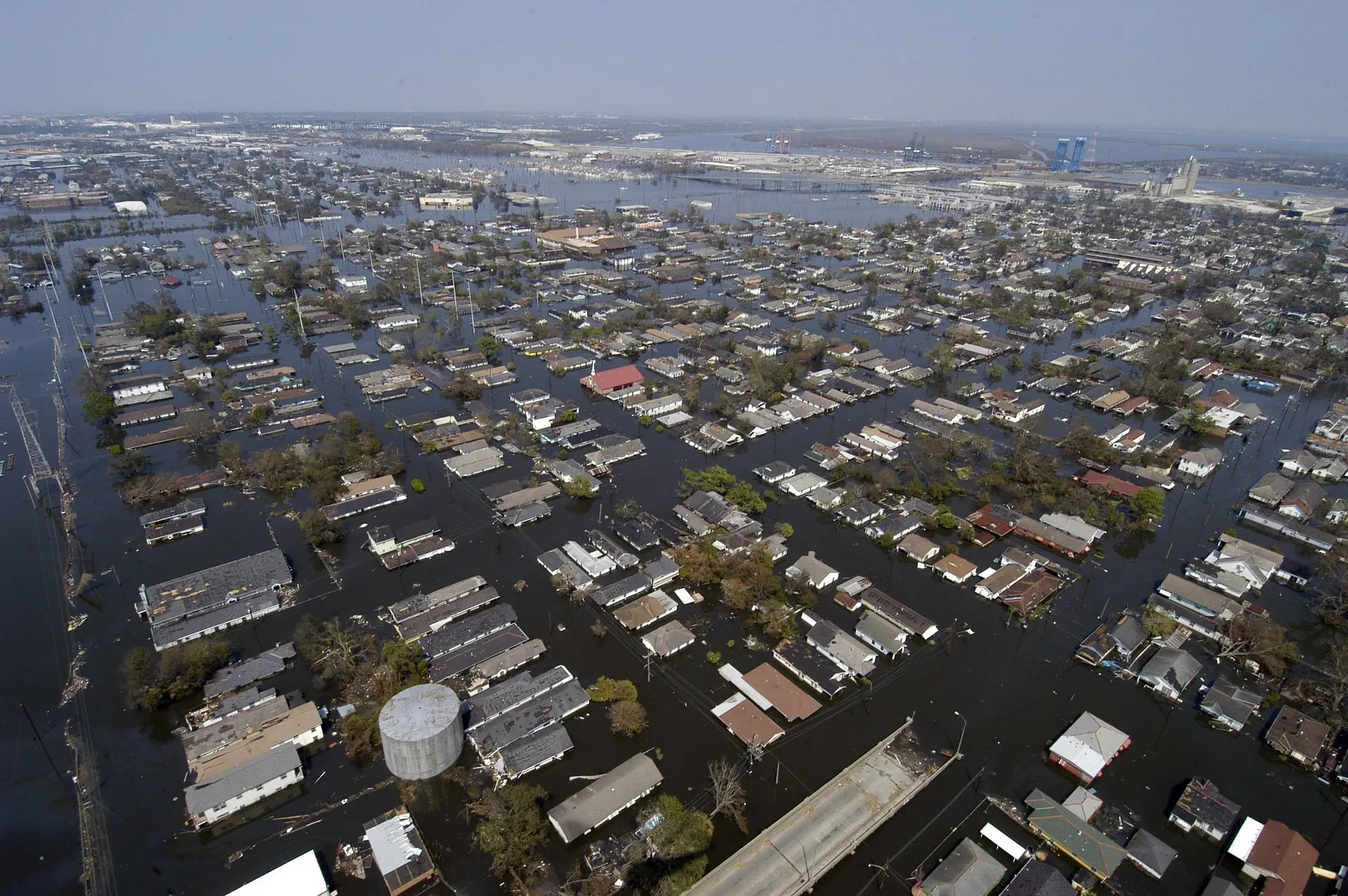
A new study from Stanford researchers concludes that climate change has caused nearly $75 billion in flood damage, in the U.S., in the past three decades. This research, published in the journal Proceedings of the National Academy of Sciences, tackled the ongoing discussion of the cost associated with flood-inducing rain and snow and what is prompting these weather events.
The study focused on flood costs between 1988 and 2017 and found that “of the $199 billion in U.S. flood damage…more than one third is directly related to trends in intensifying precipitation.” Clarifying the details, Dr. Noah Diffenbaugh, co-author of the research and professor of Earth Systems Science at Stanford University, said: “There has been a lot of research about the impacts of climate change on different natural and human systems, but relatively little of that has focused on generating hard numbers quantifying the financial costs of those impacts. This study provides those numbers for flooding, which is one of the most costly natural disasters.”
In a MarketWatch article, co-author of the report and economist Marshall Burke stated: “Accurately and comprehensively tallying the past and future costs of climate change is key to making food policy decisions. This work shows that past climate change has already cost the U.S. economy billions of dollars, just due to flood damage alone.”
The study concludes that climate change is to blame for $75 billion in flood damage. A CBS News article further explains the connection, saying: “The mechanism behind why climate change is causing more extreme floods is very straightforward: a warmer ocean and atmosphere provides more energy to fuel more extreme weather systems…A warmer atmosphere and ocean can also power more intense weather systems, which increase rainfall rates and also the overall precipitation which falls in a storm. So, even if a region’s average rainfall is decreasing, individual storms still tend to produce more precipitation.”
The signs are evident, human caused climate change is a financial burden. In a statement, Diffenbaugh noted: “The framework that we developed provides an objective base for estimating what it will cost to adapt to continued climate change and the economic value of avoiding higher levels of global warming in the future.”
This calculation is significant because as climate change continues, the costs will also continue to increase. NPG believes awareness and understanding of human-caused damage to the planet and efforts to slow, halt, and eventually reverse population growth must be a priority for us to move forward and thrive for generations to come.
To read the full report from Stanford University, click here.
To see our Student Fact Sheet, which provides quick facts to reference, click here.
To read more about the environment and other population issues, please see our Forum paper series, notably:
Will Affluence Ruin the Environment? by Edwin S. Rubenstein
The True Environmental Disaster – The Silence on Our Growing Overpopulation, by Michael G. Hanauer
MAKE A GENEROUS CONTRIBUTION TODAY!